The demand for interior designers is booming. The global market is projected to reach $175.74 billion by 2030. Every home, office, hotel, or cafe requires functional, beautiful, and well-planned spaces. If you have an eye for aesthetics and a creative spark, this is the right time to turn it into a professional career.
An interior design course equips students with the skills and knowledge to shape spaces where people live, work, and relax. From learning materials and lighting to digital design tools and space planning, these programmes prepare students for high-demand careers in residential, commercial, and specialised interiors.
In this guide, we will explore the key subjects, essential skills, and career paths you can pursue after completing an interior design course. This will help aspiring designers in India, especially in Central India, make confident career choices.
What is an Interior Design Course?
An interior design course teaches students how to design functional and attractive indoor spaces. Students learn industry-standard techniques, work with materials, lighting, colour, and layouts, and present their ideas through drawings, models, and digital tools.
Courses are typically offered at multiple levels:
- Diploma Programs: Usually 6 months to 1 year, focusing on practical skills and software tools.
- Undergraduate Programs (B.Des / B.Sc. in Interior Design): 3–4 years, covering both theory and application.
- Postgraduate Programs (M.Des / M.Sc. in Interior Design): 1–2 years, for specialisation in areas like sustainable design or hospitality interiors.
Students can also opt for short-term certification courses to gain specific skills quickly, such as AutoCAD drafting, 3D visualisation, or furniture design.
Core Subjects in an Interior Design Course
A strong interior design course blends creativity with technical knowledge. Here are some core subjects students can expect:
1. Design Fundamentals
Students start with the basics of design theory, including:
- Principles of proportion, balance, and scale
- Understanding forms, lines, textures, and colour
- Introduction to composition and visual hierarchy
These fundamentals are crucial for creating interiors that are both functional and visually appealing.
2. Drawing and Drafting
Accurate representation is essential in interior design. Subjects in this area include:
- Freehand sketching for conceptual ideas
- Technical drawing for floor plans and elevations
- Digital drafting using tools like AutoCAD or SketchUp
Mastering drawing skills helps students translate their creative ideas into practical plans that contractors and clients can understand.
3. Materials and Finishes
Understanding the properties and applications of materials is critical. Students learn about:
- Flooring, wall, and ceiling materials
- Furniture and upholstery choices
- Sustainable and eco-friendly materials
- Cost analysis and selection criteria
This knowledge allows designers to choose materials that meet both aesthetic and functional needs.
4. Lighting and Acoustics
Lighting and sound impact the overall experience of a space. Courses cover:
- Types of lighting: ambient, task, and accent
- Light placement, intensity, and colour temperature
- Basic principles of acoustics for residential and commercial spaces
Well-lit, acoustically balanced spaces enhance comfort and usability.
5. Interior Design Software
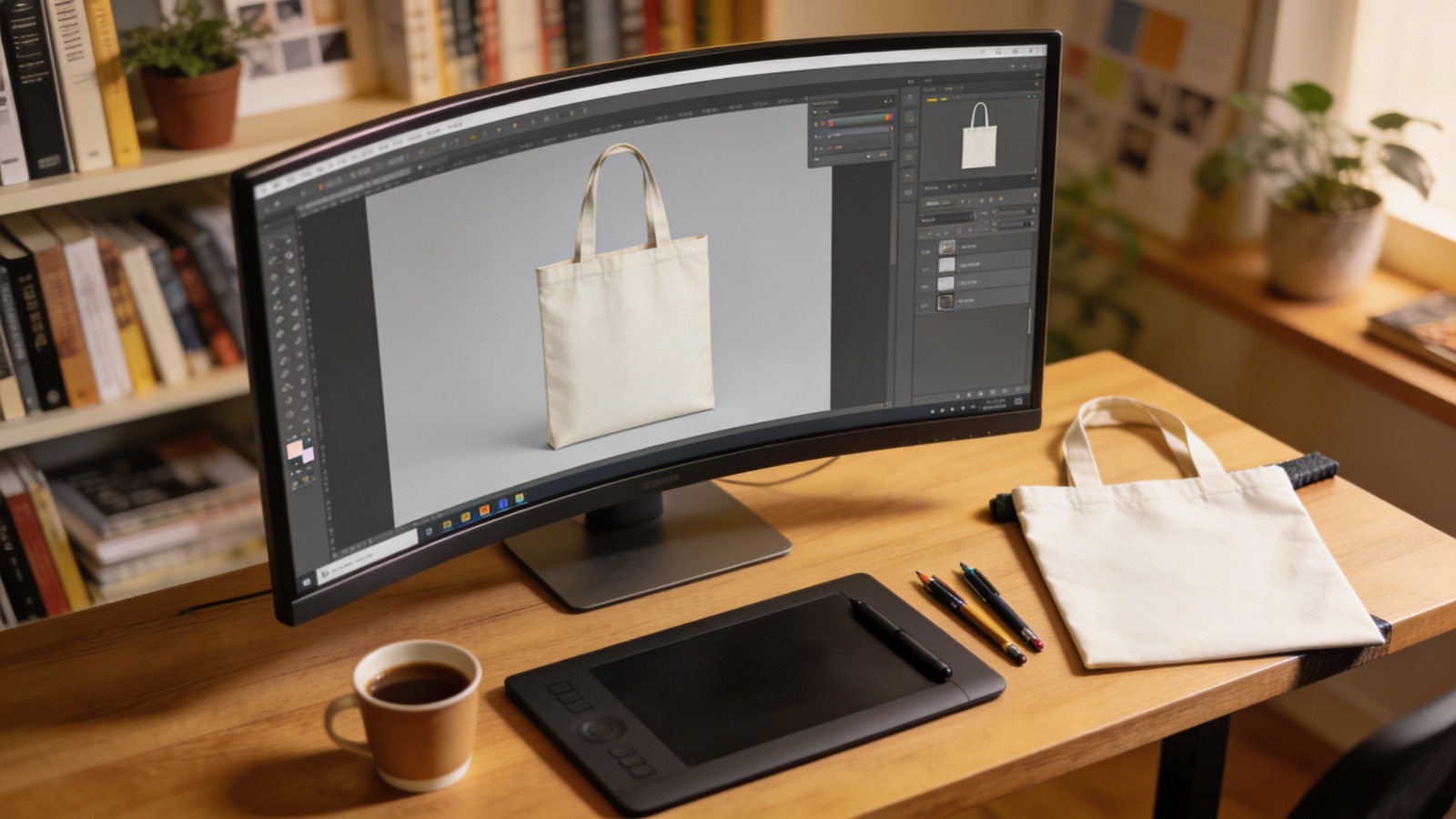
Proficiency in digital tools is essential for modern interior designers. Common software training includes:
- AutoCAD for technical drafting
- 3ds Max or Blender for 3D visualisation
- Adobe Photoshop and Illustrator for mood boards and presentations
These tools enable students to create realistic digital representations of their designs.
6. Space Planning and Furniture Design
This subject teaches students to:
- Optimise layouts for function and flow
- Select furniture that complements the space
- Design custom furniture and built-ins
Space planning skills are essential for maximising efficiency while maintaining aesthetic harmony.
7. History of Interior Design
Understanding past styles helps designers develop unique concepts. Topics may include:
- Classical, Renaissance, and Baroque influences
- Modernist and postmodernist trends
- Indian traditional and regional interior styles
This knowledge also helps designers advise clients who want culturally or historically inspired interiors.
5 Key Skills Developed in an Interior Design Course
An interior design course equips students with skills in spatial planning, technical drawing, client communication, and design software. The Indian interior design market is expanding, with North-East India projected to grow at an 11.87% CAGR from 2026 to 2031. This trend highlights growing opportunities for skilled interior designers across the country, including in emerging cities outside major metros.
1. Creative Problem-Solving
Students learn to design effective solutions for challenges like small apartments, irregular floor plans, or client-specific needs while ensuring the space remains functional and visually appealing.
2. Technical Drawing and Visualisation
From hand sketches to 3D models and digital renderings, students learn to convey ideas clearly, enabling clients and contractors to understand the proposed design accurately.
3. Material Selection and Project Planning
Students develop expertise in selecting appropriate furniture, fabrics, finishes, and lighting that suit both aesthetics and functionality, and in planning project timelines and budgets.
4. Communication and Client Management
Designers are trained to present concepts, negotiate with vendors, and coordinate with contractors to ensure projects are executed on time and meet client expectations.
5. Adaptability and Trend Awareness
Students stay up to date on evolving design trends, sustainable materials, and innovative technologies, while learning to integrate these trends without compromising long-lasting design principles.
Completing an interior design course equips you with practical skills and industry knowledge, opening opportunities in India’s growing market and emerging cities nationwide.
4 Types of Interior Design Courses in India
India has a growing number of colleges and institutes offering interior design courses. Students in Madhya Pradesh or neighbouring regions have access to programs that balance practical exposure with conceptual learning. Some common course types include:
1. Diploma Courses
Diploma courses provide a fast track into the interior design field, focusing on essential skills and hands-on training. They are ideal for students who want to gain practical experience quickly.
- Duration: 6 months–1 year
- Focus: Practical skills, software training, and basic design principles
- Ideal for: Students who want to quickly enter the workforce or complement another degree
2. Undergraduate Courses
Undergraduate programs offer a comprehensive foundation in interior design, combining theory, project work, internships, and software tools. They prepare students for a full professional career.
- Duration: 3–4 years
- Focus: Comprehensive study including theory, design projects, internships, and software training
- Ideal for: High school graduates aiming for a professional career in interior design
3. Postgraduate Courses
Postgraduate courses allow students to specialise in advanced areas such as sustainable design, hospitality design, or 3D visualisation. They are suited for those aiming for leadership roles or expert-level knowledge.
- Duration: 1–2 years
- Focus: Specialisation areas such as sustainable design, hospitality design, or advanced 3D visualisation
- Ideal for: Designers seeking advanced knowledge or leadership roles
4. Short-Term Certification Courses
Certification courses focus on specific skills or software tools, enabling students or working professionals to enhance expertise without committing to a full degree program.
- Duration: 3–6 months
- Focus: Specific skills like lighting design, AutoCAD, 3D rendering, or furniture design
- Ideal for: Working professionals or students seeking skill enhancement
Students in Madhya Pradesh and neighbouring regions can choose from a range of interior design courses that combine practical training with professional knowledge.
Career Paths After an Interior Design Course
Completing an interior design course opens doors to multiple career opportunities. Here are some common roles:
- Residential Interior Designer: Designers specialise in homes, apartments, or villas, creating spaces that are both functional and aesthetically pleasing.
- Commercial Interior Designer: Focuses on offices, retail spaces, hotels, or restaurants, balancing client branding with interior appeal.
- Exhibition or Event Designer: Designers create temporary setups for exhibitions, trade shows, and corporate events, requiring strong planning and spatial skills.
- Set and Production Designer: In film, television, or theatre, designers create interiors that support storytelling and visual appeal.
- Furniture and Product Designer: Some designers specialise in custom furniture or décor items, combining design knowledge with craftsmanship.
- Freelance Interior Designer: Freelancing allows for flexibility, with opportunities to take on multiple projects or collaborate with architects and contractors.
- Interior Design Educator or Consultant: Experienced designers may choose to teach or advise companies and individuals on design strategies.
Tips for Choosing the Right Interior Design Course
Selecting the best course can shape the trajectory of your career. Consider the following:
- Course Curriculum: Ensure it covers essential topics such as design principles, materials, space planning, and software.
- Practical Exposure: Look for programs that include hands-on projects, workshops, and internships.
- Faculty Expertise: Experienced instructors bring real-world knowledge and industry connections.
- Industry Connections: Institutes that collaborate with design firms or offer placement support can improve employability.
- Location and Infrastructure: Institutes in Central India, such as Bhopal, Indore, and Jabalpur, offer quality education without requiring a long commute from home.
- Alumni Success: Check the portfolio and career paths of past students to gauge the course’s effectiveness.
Industry Opportunities in India
The interior design industry in India has been growing steadily, driven by urbanisation, real estate expansion, and the hospitality sector. Cities like Indore, Bhopal, and Gwalior are witnessing increased demand for residential and commercial interior designers. Graduates can find opportunities in:
- Interior design firms
- Architectural practices
- Real estate companies
- Event management companies
- Film and entertainment production houses
Freelance work is also expanding, thanks to online platforms that connect designers with clients across India.
Conclusion
An interior design course equips students with practical skills, technical knowledge, and professional confidence. In Central India, students gain hands-on experience in materials, lighting, space planning, and design software, preparing them for careers in residential, commercial, and specialised interiors.
By focusing on core subjects and developing essential skills, students can pursue opportunities in design firms, real estate, hospitality, or freelance work. Training through an interior design course lays the foundation for working with a company, starting a studio, or specialising in areas such as furniture or set design, leading to a professional, creative career.