Need to understand How to Stop Hair Pulling Disorder. You don’t have to let hair pulling control your life. Many people reduce or stop the behavior by learning what triggers their urges, practicing habit-reversal skills, and using simple supports like rewards and protective strategies to interrupt the pull. You can significantly reduce or stop hair pulling by identifying triggers, replacing the behavior with competing actions, and getting structured help when needed.
This article explains why hair pulling happens, practical evidence-based techniques that work, and how to build a plan you can stick with. Expect clear steps, realistic tips you can try today, and guidance on when to seek professional treatment.
Understanding Hair Pulling Disorder
You will learn what hair pulling disorder is, the main causes and risk factors that increase your chances, and the common signs to watch for. This section focuses on precise definitions, measurable risk elements, and observable symptoms.
What Is Hair Pulling Disorder
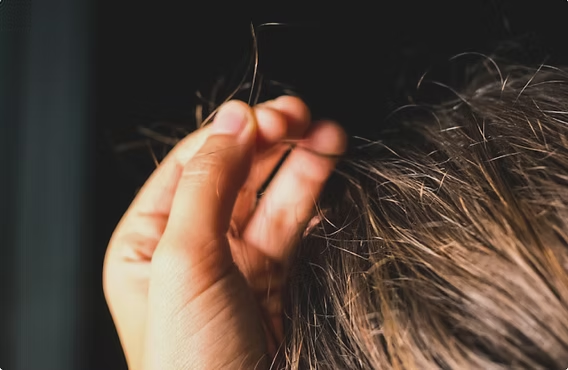
Hair pulling disorder, also called trichotillomania, is a repetitive behavior where you pull out hair from your scalp, eyebrows, eyelashes, or other body areas. The behavior is recurrent, causes noticeable hair loss, and leads to distress or impairment in work, social, or personal life.
You may pull hair intentionally to relieve tension or without conscious awareness during sedentary activities like reading or watching TV. Diagnostic criteria emphasize repeated attempts to stop and that the behavior is not better explained by another medical or dermatological condition.
Treatment typically involves behavioral therapies and sometimes medication; these aim to reduce urges, teach alternative actions, and address co-occurring anxiety or depression that maintain the behavior.
Causes and Risk Factors
No single cause explains hair pulling; multiple biological and environmental factors interact. Genetic studies and clinical observations show higher rates among family members, suggesting a hereditary component.
Neurobiological differences in brain circuits that control habit formation and impulse regulation appear common in people with the disorder. These differences can make it harder for you to inhibit repetitive actions once they start.
Stress, transitions, boredom, and learned coping patterns also act as triggers. Co-occurring conditions—such as anxiety disorders, obsessive-compulsive disorder, or depression—increase both the frequency and severity of pulling episodes.
Risk factors at a glance:
- Family history of trichotillomania or related disorders
- Chronic stress or traumatic experiences
- Early onset in childhood or adolescence
- Presence of other mental health diagnoses
Common Signs and Symptoms
You might notice thinning or bald patches in predictable areas: the scalp, eyebrows, and eyelashes are most common. Patches often have hairs of uneven length and irregular borders.
Behavioral signs include repeated attempts to stop, time-consuming rituals (examining, twisting, or swallowing pulled hair), and rituals that temporarily reduce tension. You may hide symptoms with hats, makeup, or hairpieces and avoid social situations because of embarrassment.
Physical and psychological consequences include skin damage, infections, eye irritation (if eyelashes are pulled), and significant shame, anxiety, or lowered self-esteem. Track frequency, triggers, and emotional state to help clinicians assess severity and choose effective interventions.
Effective Strategies to Stop Hair Pulling
Target practical, evidence-based steps you can use daily: redirecting urges with specific behaviors, building coping skills to handle urges and emotions, and changing routines that reduce stress and increase self-care.
Behavioral Therapy Techniques
Habit Reversal Training (HRT) gives you concrete steps: 1) Awareness training to notice the exact triggers and sensations before you pull, 2) Competing response where you perform a physical action incompatible with pulling for at least one minute, and 3) Response prevention to limit access to common pulling sites.
Work with a trained therapist to personalize the competing response—clenching your fists, holding a stress ball, or sitting on your hands—and to practice it until it becomes automatic.
Cognitive elements help too. Use stimulus control: change environments that cue pulling (cover mirrors, wear gloves or bandanas, rearrange seating). Track episodes in a simple log recording time, place, mood, and intensity so you can see patterns and measure progress.
Building Healthy Coping Mechanisms
Replace pulling with targeted alternatives that address both urge and emotion. Short, specific activities work best: squeeze a hand exerciser for 60–90 seconds, fidget with textured fabric, or rub a scented balm. Use delayed-response techniques—set a timer for 10 minutes and engage in another task before allowing yourself to reassess the urge.
Develop emotional regulation skills: practice a 3-breath grounding exercise when anxiety spikes, label the feeling aloud, and then choose a coping action. Reward systems help reinforce success—small, scheduled rewards after set pull-free periods encourage repetition. Invite safe accountability by sharing goals with a trusted person or support group.
Lifestyle Changes and Self-Care
Adjust daily routines to lower overall urge frequency. Prioritize sleep (7–9 hours) and regular meals to stabilize mood and reduce impulsivity. Build predictable physical activity—20–30 minutes of moderate exercise most days—because exercise reduces stress and gives a structured outlet for tension.
Optimize sensory environments: keep hands occupied (knit, stress putty), reduce idle screen time, and maintain low-stress spaces with calming textures and lighting. Consider medical review if pulling co-occurs with anxiety or depression; a clinician can evaluate medication options that may help when combined with therapy.