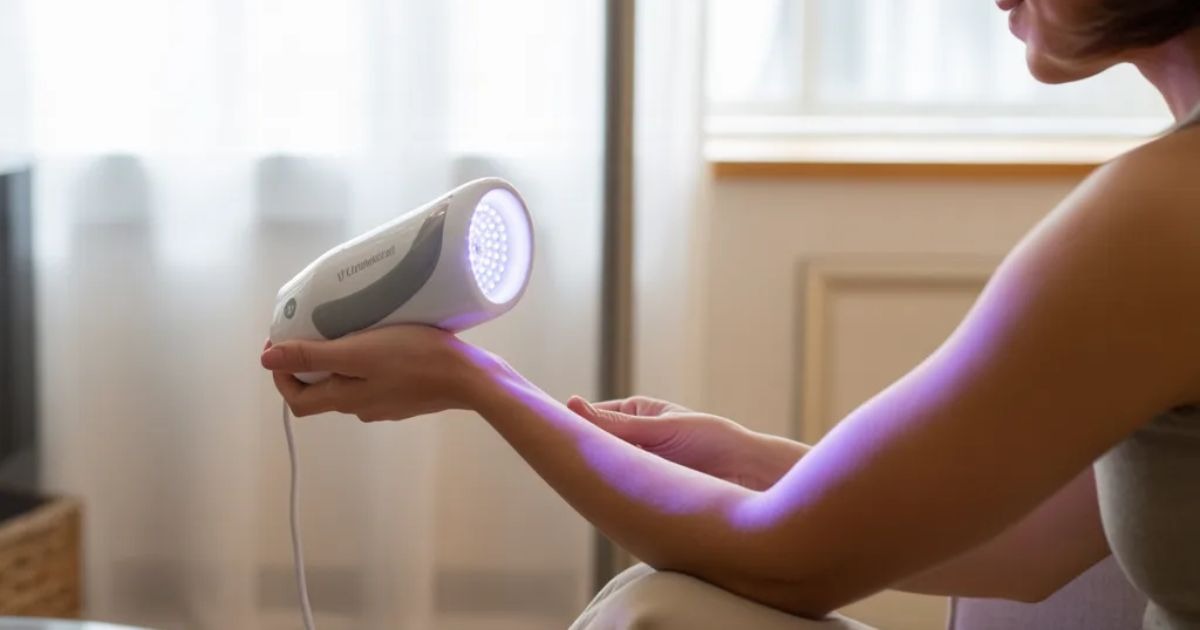
UVB light has been embraced as one of the most reliable treatments for chronic skin diseases, such as psoriasis, eczema, and vitiligo. The trend in dermatology in the UK and specialised clinics is to prescribe narrowband UVB phototherapy, as it delivers specific wavelengths of ultraviolet radiation that soothe inflammation and control excessive skin cell growth.
A large number of people with chronic skin issues are increasingly relying on UVB phototherapy systems that can be administered in clinics or at home. This treatment method delivers a controlled dose of ultraviolet radiation to improve skin condition and minimise exacerbations.
-
UVB light phototherapy targets the affected areas of the skin with a controlled wavelength.
-
It helps reduce the overproduction of skin cells associated with conditions such as psoriasis.
-
Consistently, sessions can help restore a healthier texture and tone to the skin.
Due to their established success, UVB phototherapy is a common practice in dermatological and specialised treatment centres throughout the United Kingdom.
What does Phototherapy UVB Light mean?
Phototherapy with UVB light is a dermatological treatment that uses ultraviolet B radiation to treat a range of long-term skin disorders. It is administered by exposing affected skin to UVB radiation at wavelengths between 311 and 313nm, commonly referred to as narrowband UVB.
These wavelengths enter the skin surface and affect immune activity in the skin. In this way, UVB light phototherapy slows the rapid multiplication of skin cells and minimises inflammation. This is a focused light therapy, which is especially useful when an individual is experiencing:
-
Psoriasis
-
Vitiligo
-
Atopic eczema
-
Dermatitis
-
Alopecia
-
Lichen planus
-
Acne
-
Vitamin D deficiency
Current UVB phototherapy devices deliver appropriate doses of UV light, and treatment is safe and effective when used under professional guidance.
How Phototherapy UVB Light Works
The mechanism of UVB phototherapy can help explain its effectiveness in treating chronic skin disorders.
The therapy operates under a number of biological processes:
Slowing skin cell growth
Some diseases, such as psoriasis, lead to excessive proliferation of skin cells. UVB radiation retards this process, and it aids in normalising the skin cycle.
Reducing inflammation
Ultraviolet light inhibits excessive immune responses in the skin.
Promoting pigmentation
The UVB light used to treat vitiligo causes melanocytes, the skin’s colour cells, to proliferate.
Optimising skin barrier functionality
Strategic appointments aid in reestablishing a healthier skin structure and in suppressing irritation. Dermatology programmes generally use three treatment sessions per week over a few weeks, gradually increasing exposure time based on the patient’s skin type. It has been reported that, with regular treatment, visible improvement occurs within six to eight weeks.
Conditions Treated with Phototherapy UVB Light
UVB light therapy Phototherapy involves UVB light therapy, which has a variety of applications in dermatology. It is specifically useful in long-term or autoimmune skin diseases.
Psoriasis Treatment
Psoriasis is a long-term inflammatory disease that causes red, scaly patches on the skin. The UVB light treatment assists in retarding the excessive production of skin cells and decreases the thickness of the plaque. Research indicates that a significant proportion of patients do not feel better throughout an entire course of treatment.
Vitiligo Management
Vitiligo is a skin condition resulting from the destruction of melanocytes. UVB light of phototherapy activates pigment-producing cells and stimulates repigmentation.
Eczema and Dermatitis
In individuals with chronic eczema, UVB phototherapy can alleviate itching, erythema, and inflammation.
Other Dermatological Conditions.
Phototherapy UVB light can also be administered to treat:
-
Lichen planus
-
Acne
-
Alopecia
-
Pityriasis rosea
The conditions are usually responsive to treatment when closely monitored.
Types of UVB Phototherapy Devices
Medical technology has enabled the use of UVB light in phototherapy through various treatment apparatuses.
Localised UVB Lamps
Small UVB phototherapy systems are created to treat small body parts, including:
-
Face
-
Hands
-
Arms
-
Legs
-
Back
These instruments typically have two small band UVB lamps and are recommended in local treatment.
Multi-Lamp Phototherapy Units
The larger machines with several UVB lamps provide greater skin coverage. The five- or nine-lamp units are most often used in units that cover larger treatment areas.
These systems often include:
-
Twin safety timers
-
Protective metal guards
-
Horizontals or vertical adjustable positioning.
This equipment can be used for full-body phototherapy, just like the kind found in dermatology clinics.
Phototherapy UVB Light Treatment at Home
The presence of home phototherapy units is one of the significant changes in dermatology treatment.
There are a number of benefits to phototherapy, UVB light administered at home:
-
Increased convenience of treatment.
-
Shorter waiting time in clinics.
-
Scheduling of treatment options.
-
Long-term cost efficiency
UVB narrowband lamps are available from specialist providers and can be delivered directly to patients. The units that demand many are those that use hospital-grade Philips narrowband TL-01 lamps, commonly used in medical settings.
What to Expect During Treatment
Very short exposure times are typically used to initiate phototherapy with UVB light. The first sessions can last a couple of seconds or minutes, depending on the patient’s skin type.
Through the course of a normal treatment:
-
The initial dose is calculated based on skin classification.
-
The number of sessions is repeated a number of times a week.
-
The exposure period is gradually increased.
-
The development of the skin is tracked during the programme.
A significant portion of patients report an improvement in their condition after a period of regular medication.
Choosing the Right Phototherapy UVB Light Device
The type of UVB phototherapy equipment should be properly chosen to achieve good outcomes.
Other critical factors to consider are:
-
Accuracy of Lamp quality and wavelengths.
-
Adherence to medical safety regulations.
-
Coverage area required
-
Built-in safety controls
-
Manufacturer reliability
Philips narrowband UVB lamps are also commonly used as high-quality machines that are highly regarded in hospitals and dermatology clinics around the world.
Conclusion
Phototherapy, UVB light therapy, is a proven treatment for many chronic skin conditions. Delivering controlled ultraviolet radiation helps reduce inflammation, regulate immune responses, and improve overall skin health.
Narrowband UVB technology has advanced, and patients now have access to professional phototherapy at clinics or to safe tools for home use. This makes UVB phototherapy a good alternative for managing psoriasis, eczema, and vitiligo, as well as promoting long-term skin health.