Fumbleboard start on is an essential step for any tabletop RPG player who wants to elevate their gaming sessions with immersive sound effects and audio cues. This tool is a soundboard and audio tool designed for tabletop RPGs, allowing game masters to create dynamic experiences for their players. By starting the fumbleboard correctly, you ensure that all audio files, triggers, and sound cues are ready for instant use, avoiding awkward silences or delays during gameplay. The fumbleboard start on sequence is more than a simple power-up; it prepares your soundboard for immediate action, calibrating the interface so that every effect—from a dramatic thunderclap to a subtle creaking door—is executed flawlessly. Players and game masters alike benefit from understanding how to start the fumbleboard efficiently, as it sets the tone for engaging and professional tabletop sessions that feel alive and interactive.
Understanding the Basics of Fumbleboard Start On
Before using the fumbleboard, it is important to understand its fundamental role as a soundboard and audio tool designed for tabletop RPGs. The fumbleboard start on process activates the software or hardware, allowing access to all stored sound files and audio triggers that the game master has prepared. Properly initiating this process ensures that sounds play immediately when needed, which is critical for maintaining the flow of a game session. Whether you are using a laptop-based software version or a physical board with built-in triggers, the start-on sequence readies all audio channels, sets volume levels, and ensures that effects respond quickly to input. Understanding these basics helps prevent interruptions that can break immersion, ensuring that your tabletop RPG sessions remain smooth, professional, and fully engaging for all participants.
Step-by-Step Guide to Fumbleboard Start On
Starting the fumbleboard is straightforward when you follow a structured approach, but skipping steps can cause issues during critical game moments. First, make sure the device is powered and connected to your audio output, whether that is speakers or headphones. Next, press the start-on button or run the software program, and wait for visual or auditory indicators confirming the system is ready. Once activated, perform a quick test of the sound triggers to ensure that each audio cue fires correctly. Calibration may be necessary, especially for timing-sensitive effects like ambush sounds or timed music tracks. By taking these steps carefully, you guarantee that every sound effect, musical cue, and ambient noise is available instantly, giving your tabletop RPG sessions a professional and polished feel without delays or technical distractions.
Common Issues and Solutions During Fumbleboard Start On
Even with the most reliable soundboard, users sometimes encounter issues when initiating the fumbleboard start on process. A common problem is unresponsive triggers or muted sounds, often caused by improper audio routing or disconnected cables. Ensuring your audio output device is correctly selected solves most of these issues immediately. Another frequent challenge is delayed sound playback due to software glitches or large audio files; updating your program and optimizing file formats can reduce these delays. Calibration errors may also occur, where triggers do not correspond accurately to assigned audio effects, which can be fixed by recalibrating the board or adjusting sensitivity settings. By proactively troubleshooting these issues, game masters maintain seamless sound delivery, keeping players immersed in the narrative without distractions from technical glitches.
Tips for Optimizing Fumbleboard Start On
To maximize the performance of your fumbleboard start on process, several strategies can enhance the soundboard experience. First, organize your sound files into clear categories—such as combat, ambiance, or character cues—so you can access them quickly during sessions. Second, regularly update the software or firmware to benefit from improved performance, bug fixes, and new features designed to make the start-on process smoother. Third, practice consistent startup routines, such as powering the device first, confirming audio output, and testing triggers, which builds reliability and confidence. Finally, adjust volume levels and trigger sensitivity according to the room size and speaker configuration. By following these tips, you ensure that the fumbleboard start on sequence is not just a routine step but a well-oiled preparation for immersive, professional-sounding tabletop RPG sessions.
Fumbleboard Start On for Beginners
For beginners, starting the fumbleboard can seem intimidating, but following a structured routine simplifies the process. Begin by reading the instruction manual and understanding how each button or software command functions, since the start-on process often includes calibration and testing stages. Next, perform a trial run of each sound trigger to observe the board’s responsiveness, noting which cues may need adjustment. Beginners should also ensure that the audio output device is correctly connected and that volume levels are comfortable for all players. Practicing these steps without worrying about an actual game session builds confidence, making future tabletop sessions smoother and more enjoyable. With careful attention, new users quickly master the fumbleboard start on sequence, transforming it into a reliable part of their RPG toolkit.
Advanced Techniques for Fumbleboard Start On
Experienced game masters can enhance the fumbleboard start on process using advanced techniques to create even more immersive sessions. One method is programming macro sequences, where multiple audio effects play in succession automatically, triggered by a single button press. Another technique involves layering ambient sounds, such as wind, rain, and distant footsteps, to create a rich audio environment. Adjusting the timing and fade of each effect ensures that the sounds feel natural and cinematic rather than abrupt or mechanical. Additionally, integrating external audio sources, such as music or voice recordings, requires attention to the start-on setup to avoid conflicts or delays. These advanced strategies allow seasoned users to fully exploit the fumbleboard’s capabilities, transforming ordinary tabletop RPG sessions into unforgettable audio experiences that captivate players.
Creating an Organized Audio Library for Fumbleboard Start On
An organized audio library makes the fumbleboard start on process faster and more efficient, reducing the risk of delays during gameplay. Categorize sound effects into logical groups, such as combat, environment, NPC voices, and special events, so you can locate them instantly. Name each audio file clearly and consistently to avoid confusion when triggering effects in the middle of a session. Backup your library regularly to prevent loss of important files, and update it with new sounds to maintain freshness. When your library is organized, the fumbleboard start on sequence becomes a seamless transition into gameplay, and you can focus on storytelling instead of technical troubleshooting, ensuring your RPG sessions remain engaging and uninterrupted.
Using Fumbleboard Start On to Enhance Game Atmosphere
Starting your fumbleboard correctly can dramatically enhance the atmosphere of tabletop RPG sessions, adding depth and excitement. By triggering background music, ambient noises, and sound effects at the right moments, you create a more immersive experience for players. For example, a sudden thunderclap during a suspenseful scene can heighten tension, while subtle ambient noises make exploration sequences feel alive. Correctly using the fumbleboard start on ensures that all sounds play without delay, maintaining the illusion of a living world. Game masters who master this process can control the pace and mood of each session with precision, delivering a rich, engaging experience that captivates every participant.
Fumbleboard Start On for Multiplayer Sessions
In multiplayer RPG sessions, coordinating the fumbleboard start on process is crucial to ensure everyone hears the intended sounds simultaneously. Check that speakers or audio output devices are balanced for the entire room, and test each trigger before gameplay begins. Use the start-on procedure to confirm that all channels and effects are active and ready, preventing players from missing key audio cues. Consistent startup routines reduce confusion, allowing the game master to focus on storytelling while players enjoy synchronized sound effects that enhance group immersion. With proper attention, the fumbleboard start on process becomes an essential part of creating memorable multiplayer tabletop experiences.
Troubleshooting Tips for Fumbleboard Start On
Even seasoned users encounter occasional problems with the fumbleboard start on process, so it’s important to know basic troubleshooting techniques. If sounds fail to play, verify that the correct audio output is selected and that the device is properly connected. Rebooting the software or hardware often resolves temporary glitches. For calibration issues, re-run the start-on process and test each trigger individually. Keeping audio files organized and using compatible formats prevents delays and errors. By addressing these issues promptly, game masters maintain a smooth, reliable fumbleboard experience that keeps players immersed without technical distractions or interruptions.
Customizing Fumbleboard Start On Settings
Many fumbleboards allow users to customize settings during the start-on process to suit their playstyle. Volume levels, trigger sensitivity, and playback modes can be adjusted before sessions begin. Some systems also allow assigning multiple sounds to a single trigger or programming sequences for dramatic effects. Customizing settings ensures that each game session runs exactly as intended, allowing the game master to focus on storytelling and player interaction rather than technical adjustments. Taking the time to configure these settings during the fumbleboard start on process creates a polished, immersive experience that enhances every tabletop RPG session.
Integrating Music and Effects with Fumbleboard Start On
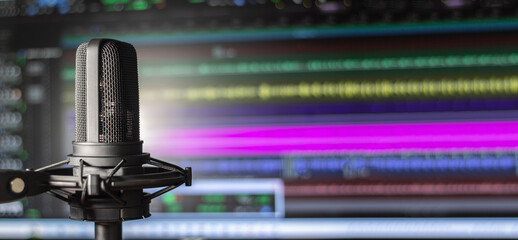
The fumbleboard start on sequence is the gateway to integrating both music and sound effects seamlessly into RPG sessions. Activating the board ensures that all audio tracks, from epic battle music to subtle environmental sounds, are ready to play on command. Game masters can trigger multiple layers of sound simultaneously, combining music, ambiances, and one-shot effects for a cinematic experience. Correctly starting the fumbleboard reduces the risk of delays or desynchronization, allowing music and effects to complement the narrative perfectly. By mastering this integration, players experience richer storytelling and a heightened sense of immersion throughout their adventures.
Conclusion
Starting the fumbleboard properly ensures that every sound effect and music track plays with optimal clarity and fidelity. Adjust audio output settings, select high-quality sound files, and test each trigger during the start-on sequence. Ensuring that speakers or headphones are properly connected and positioned reduces distortion or uneven volume levels. A well-prepared start-on routine also allows for fine-tuning equalization and balancing multiple audio channels, giving your RPG sessions professional-sounding results. By paying attention to these details during the fumbleboard start on process, game masters can create immersive audio environments that fully engage players and enhance the storytelling experience.
FAQs About Fumbleboard Start On
What is fumbleboard start on?
Fumbleboard start on is the process of activating your soundboard and audio tool designed for tabletop RPGs, ensuring all sound triggers and audio channels are ready for gameplay.
How do I start my fumbleboard?
Place the device on a stable surface, press the power or start button, wait for indicators, and test the sound triggers to confirm everything is functioning.
Why is the start-on process important?
Starting the fumbleboard correctly ensures that all audio effects play immediately without delays, maintaining immersion and smooth gameplay during RPG sessions.
Can I customize the fumbleboard settings?
Yes, volume, trigger sensitivity, playback sequences, and audio layers can typically be adjusted during the start-on process to fit your preferences.
What should I do if the fumbleboard doesn’t respond?
Check power connections, audio output devices, calibration settings, and ensure software or firmware is up to date to troubleshoot common issues.
Read also: Tin Swe Thant Leadership, Contributions, and Legacy