
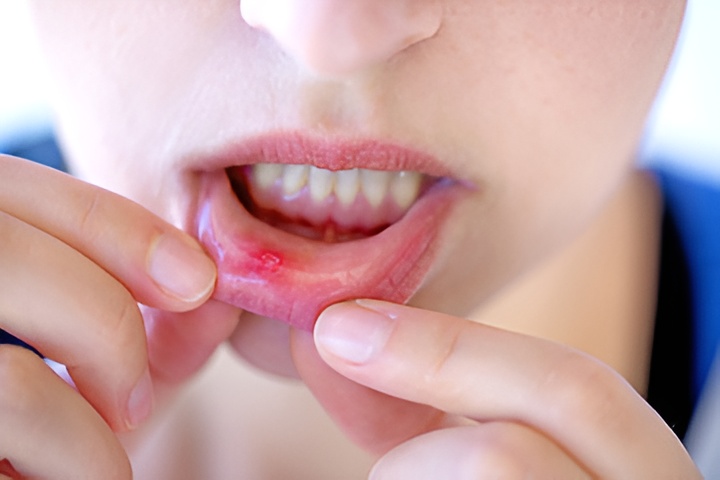
Cancasaur, commonly known as canker sores, is a small but painful ulcer that appears inside the mouth, often on the inner cheeks, lips, or tongue. While it may seem minor, the discomfort it causes can affect eating, speaking, and daily life. People often wonder why these sores appear, and understanding Cancasaur involves exploring its causes, symptoms, and ways to manage it effectively. The condition is widespread, affecting people of all ages, and while it usually heals on its own, recurring or severe cases may require attention. Awareness of Cancasaur can help reduce discomfort, improve oral health, and prevent unnecessary complications, making it important to learn about it thoroughly.
Causes of Cancasaur
Cancasaur develops due to various factors, often related to the body’s immune response, irritation, or nutritional deficiencies. Stress and hormonal changes are common triggers, weakening the body’s ability to fight minor injuries in the mouth. Certain foods, such as acidic fruits or spicy dishes, can irritate the mouth lining and contribute to the formation of Cancasaur. Minor trauma, like accidentally biting the cheek or brushing teeth too harshly, can also start the sore. Additionally, deficiencies in vitamins and minerals, including B12, iron, and folate, are linked to the occurrence of these painful ulcers. Understanding these causes allows people to take preventive measures and reduce the frequency of Cancasaur outbreaks.
Symptoms of Cancasaur
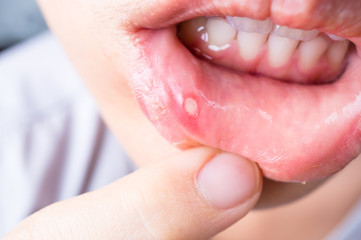
Cancasaur typically begins as a small, round, white or yellow sore with a red border inside the mouth. These sores can be painful, especially when eating, drinking, or talking, and sometimes cause a burning or tingling sensation before fully appearing. While usually small, some Cancasaur sores may grow larger and more uncomfortable, particularly if irritated repeatedly. In addition to local pain, some people experience mild swelling or tenderness around the sore. Despite being uncomfortable, Cancasaur is not contagious and does not spread from person to person. Recognizing these symptoms early can help manage the discomfort and prevent unnecessary stress or anxiety about the condition.
Types of Cancasaur
There are different types of Cancasaur, categorized by size, number, and severity. Minor Cancasaur is the most common form, small in size and usually healing within one to two weeks without scarring. Major Cancasaur is larger, deeper, and more painful, often taking several weeks to heal and sometimes leaving a scar. Herpetiform Cancasaur is less common, appearing as clusters of tiny sores that merge into larger painful areas. Each type has distinct characteristics, but all share the common feature of causing discomfort and affecting daily activities. Understanding the type of Cancasaur helps determine the best treatment and care approach for faster healing.
Risk Factors for Cancasaur
Certain factors increase the likelihood of developing Cancasaur. Stress and anxiety can weaken the immune system, making it harder for the body to heal minor injuries in the mouth. Hormonal changes, especially in women during menstruation, pregnancy, or menopause, can trigger outbreaks. People with a family history of Cancasaur are more prone to recurring sores. Poor oral hygiene or injuries from dental procedures can also increase the risk. Additionally, dietary deficiencies, particularly in iron, zinc, vitamin B12, and folic acid, contribute to the frequency of these ulcers. Being aware of these risk factors allows individuals to make lifestyle adjustments that reduce the occurrence of Cancasaur.
How Cancasaur Affects Daily Life
While small, Cancasaur can significantly affect daily life, making eating, drinking, and speaking uncomfortable or painful. Acidic, spicy, or salty foods can worsen the discomfort, leading people to avoid certain meals or drinks. Communication may become difficult if sores develop on the tongue or inner lips, affecting confidence and social interactions. Sleep may also be disturbed if the sore causes pain while lying down or during nighttime saliva production. The impact of Cancasaur on daily life, though temporary, highlights the importance of preventive care, proper treatment, and lifestyle adjustments to manage pain and maintain overall comfort.
Home Remedies for Cancasaur
Several home remedies can help reduce pain and promote faster healing of Cancasaur. Rinsing the mouth with warm salt water can disinfect the sore and reduce inflammation. Applying a mixture of baking soda and water creates a protective layer over the sore, alleviating irritation. Honey, known for its antibacterial properties, can soothe pain and accelerate healing. Avoiding acidic and spicy foods reduces further irritation, allowing the sore to heal more comfortably. Over-the-counter gels or ointments specifically designed for oral ulcers can also provide temporary relief. Combining these methods consistently often leads to quicker recovery and less discomfort during daily activities.
Medical Treatments for Cancasaur
In cases where Cancasaur is severe, persistent, or recurring, medical treatments may be necessary. Doctors may prescribe topical corticosteroids to reduce inflammation and pain. Antimicrobial mouthwashes help prevent secondary infections, while pain-relieving gels can make eating and speaking easier. For frequent or extremely painful outbreaks, systemic treatments like oral corticosteroids or immune-modulating medications may be recommended. It is important to consult a healthcare professional before using these treatments, as proper diagnosis ensures safe and effective care. Medical intervention is especially crucial for individuals with underlying health conditions that may worsen or prolong Cancasaur symptoms.
Dietary Considerations
Nutrition plays a key role in managing and preventing Cancasaur. Foods rich in vitamin B12, folate, iron, and zinc support immune health and oral tissue repair. Probiotic-rich foods like yogurt can improve gut and immune system balance, indirectly reducing sore outbreaks. Avoiding overly acidic, salty, or spicy foods prevents irritation and accelerates healing. Maintaining adequate hydration helps keep oral tissues healthy and reduces pain from dry mouth. Incorporating a balanced diet not only addresses nutritional deficiencies that may contribute to Cancasaur but also supports overall oral and general health, making dietary choices an essential part of prevention and management.
Prevention of Cancasaur
Preventing Cancasaur involves a combination of oral hygiene, dietary adjustments, and stress management. Brushing teeth gently with a soft-bristled toothbrush prevents irritation, while flossing removes debris that may cause injury. Avoiding foods that trigger ulcers reduces outbreaks. Stress-relief techniques such as meditation, exercise, or deep breathing help strengthen the immune system. Monitoring hormonal cycles and managing underlying health conditions also lowers risk. Regular dental checkups ensure early detection of potential problems and proper oral care. Consistent preventive practices minimize the frequency, severity, and discomfort of Cancasaur, making life more comfortable and maintaining oral health.
Cancasaur in Children
Children frequently develop Cancasaur due to sensitive oral tissues, dietary habits, or minor injuries. In kids, the sores can interfere with eating, speaking, and school activities, often causing irritability or discomfort. Parents should monitor the child’s diet, avoiding acidic, spicy, or sharp foods that can worsen the sore. Encouraging proper oral hygiene with gentle brushing and regular rinses helps prevent infections and further irritation. In recurrent or severe cases, a pediatrician may recommend medical evaluation to rule out nutritional deficiencies or other underlying conditions. Early guidance and care ensure that children experience less pain and faster healing from Cancasaur.
Cancasaur in Adults
Adults can also experience Cancasaur, often triggered by stress, dietary factors, or hormonal changes. Busy lifestyles, poor sleep, and high-pressure environments can increase the risk. Adults may also face social discomfort when speaking or eating in public due to visible sores or pain. Maintaining a balanced diet, good oral hygiene, and stress management are crucial for prevention. Over-the-counter treatments can provide relief, while medical consultation is important for persistent or unusually severe cases. Adults benefit from understanding personal triggers and implementing preventive strategies to reduce the recurrence of Cancasaur and maintain oral comfort in daily life.
When to See a Doctor
While most Cancasaur heals on its own, certain situations require professional care. If a sore lasts longer than three weeks, is unusually large, or occurs frequently, medical attention is needed. Severe pain, difficulty eating or drinking, or signs of infection like fever, swelling, or pus also warrant consultation. Persistent Cancasaur may indicate underlying health issues such as vitamin deficiencies, gastrointestinal problems, or immune system disorders. Consulting a healthcare professional ensures proper diagnosis, effective treatment, and peace of mind. Early medical attention prevents complications and helps manage symptoms effectively, ensuring better overall health and comfort.
Myths and Misconceptions
Many misconceptions surround Cancasaur, including the belief that it is contagious or caused by poor hygiene. In reality, Cancasaur is not contagious and can occur even in people with excellent oral care. Another myth is that acidic foods always cause sores; while they can irritate existing ulcers, they are not the root cause. Misunderstandings about treatment, like believing only antibiotics work, can also lead to unnecessary worry. Awareness and education help dispel these myths, allowing people to focus on effective prevention, care, and proper management of Cancasaur without fear or misinformation.
Emotional Impact of Cancasaur
Beyond physical discomfort, Cancasaur can affect emotional well-being. Painful sores may cause irritability, stress, or embarrassment, especially when eating or speaking in social situations. Frequent outbreaks may increase anxiety or frustration, impacting daily life and confidence. Understanding that Cancasaur is temporary and manageable helps reduce emotional stress. Support from family, friends, and healthcare professionals can also provide reassurance and practical strategies for coping. Addressing the emotional aspect of Cancasaur alongside physical treatment ensures a holistic approach, improving both comfort and mental well-being during outbreaks.
Cancasaur and Lifestyle Choices
Lifestyle choices directly influence the frequency and severity of Cancasaur. Avoiding smoking, excessive alcohol, or highly processed foods reduces irritation and supports oral health. Regular exercise, adequate sleep, and stress management strengthen the immune system, helping the body prevent or heal ulcers more effectively. Mindful eating, including chewing slowly and avoiding accidental bites, also minimizes injury to oral tissues. By integrating healthy habits into daily life, individuals can reduce the occurrence of Cancasaur and improve overall well-being, demonstrating that prevention and management extend beyond medication or topical treatments.
The Science Behind Cancasaur
Research shows that Cancasaur results from a combination of immune response, tissue damage, and sometimes bacterial imbalance in the mouth. The immune system reacts to minor injuries, stress, or deficiencies by forming painful ulcers as part of the healing process. Genetic predisposition plays a role, as some people are naturally more susceptible. Scientists continue studying triggers, healing mechanisms, and potential therapies to improve treatment and reduce recurrence. Understanding the science behind Cancasaur empowers individuals to take preventive measures, choose effective remedies, and recognize when medical intervention is necessary, bridging knowledge and practical care.
Coping Strategies
Coping with Cancasaur involves a mix of practical and lifestyle strategies. Pain-relieving gels, mouth rinses, and soft foods reduce discomfort. Avoiding irritating foods and beverages protects healing tissue. Stress management techniques, including meditation and exercise, strengthen overall resilience. Keeping the mouth clean with gentle oral hygiene prevents secondary infection. Tracking triggers, such as specific foods or stressors, helps anticipate outbreaks and take preventive measures. Combining these strategies ensures that Cancasaur’s impact on daily life is minimized while supporting faster recovery and maintaining comfort in both social and professional environments.
Conclusion
Cancasaur, or canker sores, is a common yet manageable oral health issue. Understanding its causes, symptoms, types, and triggers allows for effective prevention and treatment. Home remedies, medical care, proper diet, and lifestyle choices reduce discomfort and recurrence. By staying informed and practicing good oral habits, individuals can manage Cancasaur effectively, ensuring both physical comfort and emotional well-being. Awareness, education, and proactive care transform the experience of Cancasaur from a painful inconvenience into a manageable condition that does not interfere with everyday life.
FAQs About Cancasaur
What is Cancasaur?
Cancasaur is another name for canker sores, small painful ulcers inside the mouth.
Is Cancasaur contagious?
No, Cancasaur cannot spread from one person to another.
How long does Cancasaur last?
Most Cancasaur sores heal within one to two weeks without treatment.
Can diet affect Cancasaur?
Yes, deficiencies in vitamins or consuming irritating foods can trigger or worsen sores.
When should I see a doctor?
See a doctor if sores are very large, extremely painful, last more than three weeks, or recur frequently.
Read also: 9133228456 Understanding Its Origins and Significance