Building your dream home ranks among life’s most thrilling adventures, and biggest financial commitments. Unlike buying an existing house where you’re stuck with someone else’s choices, constructing from scratch means every single detail reflects your vision. But here’s the thing: that freedom also brings complexity that can feel overwhelming without proper guidance. Whether this is your first build or you’ve done this before, knowing what separates a merely good home from an absolutely perfect one makes all the difference.
Selecting the Right Location and Lot
Your home’s foundation, both literal and figurative, starts with choosing the perfect spot. Sure, you’ll want to consider the neighborhood’s vibe, but dig deeper into practical factors like commute times, school districts, nearby healthcare, and amenities that actually match how you live. Take a hard look at the lot itself: Does water drain properly? What’s the soil composition? These seemingly minor details can dramatically affect both construction costs and your home’s long-term stability. And don’t forget to investigate local zoning laws, building codes, and any HOA restrictions that might limit your design freedom down the road.
Here’s a tip many first-time builders overlook: visit the site multiple times throughout the week, at different hours. You’ll discover traffic patterns, noise levels, and neighborhood rhythms you’d never catch during a single afternoon visit. Pay attention to how sunlight moves across the property throughout the day, this matters tremendously for natural lighting, energy efficiency, and those outdoor spaces where you’ll actually want to spend time. The way your lot faces can mean the difference between a sun-drenched breakfast nook and a perpetually dark kitchen.
Assembling Your Dream Team of Professionals
You simply can’t build a perfect home without a stellar team behind you. Start by interviewing several builders and contractors, don’t just hire the first one who seems nice. Check their credentials thoroughly, scrutinize their previous work, and actually call those references to hear about real experiences. Your architect needs to balance your aesthetic dreams with practical realities like structural requirements, code compliance, and innovative solutions you might not have considered.
Set up clear communication protocols right from the start. How often will you receive updates? Who makes final decisions when questions arise? What happens if unexpected issues surface? When your team communicates effectively and works cohesively, they’ll handle inevitable challenges smoothly and deliver results that exceed expectations. Teams that struggle with coordination? They typically deliver headaches instead.
Creating a Comprehensive and Realistic Budget
Money matters can make or break your entire project. You need a detailed budget that accounts for absolutely everything, not just the obvious stuff. Break it down: site prep, foundation, framing, systems, finishes, landscaping, each deserves its own line item. Then add a contingency fund of at least fifteen to twenty percent because surprises *will* happen, and they’re rarely the pleasant kind.
Don’t forget those sneaky soft costs that catch many builders off guard. Permits aren’t free. Neither are insurance, temporary housing while you’re displaced, utility hookups, or fees for architects, engineers, and inspectors. Be ruthlessly honest about where you can compromise (maybe those fancy drawer pulls can wait) and where cutting corners would be disastrous, like structural components, weatherproofing, and essential mechanical systems.
Designing for Both Present Needs and Future Flexibility
Your perfect home should work beautifully for your life right now while adapting gracefully to tomorrow’s changes. Think ahead: Will your family grow? Might aging parents need to move in? Could you need a dedicated home office as remote work becomes permanent? Incorporating universal design principles, wider doorways, step-free entries, adaptable bathrooms, enhances livability for everyone regardless of age or physical ability.
Energy efficiency deserves serious consideration during the design phase, not as an afterthought. Position windows strategically for natural light and cross-ventilation. Specify high-performance insulation that actually makes a difference in utility bills. Choose energy-efficient appliances and systems that’ll pay for themselves over time.
Prioritizing Quality Materials and Superior Craftsmanship
The materials and workmanship you choose today will determine how your home looks, performs, and holds up twenty years from now. Investing in premium materials for high-wear and weather-exposed elements makes financial sense despite higher initial costs, quality products typically outlast cheaper alternatives by years or even decades. Do your homework on exterior siding options, windows, doors, and roofing materials, comparing not just prices but warranties, maintenance needs, and realistic lifespans.
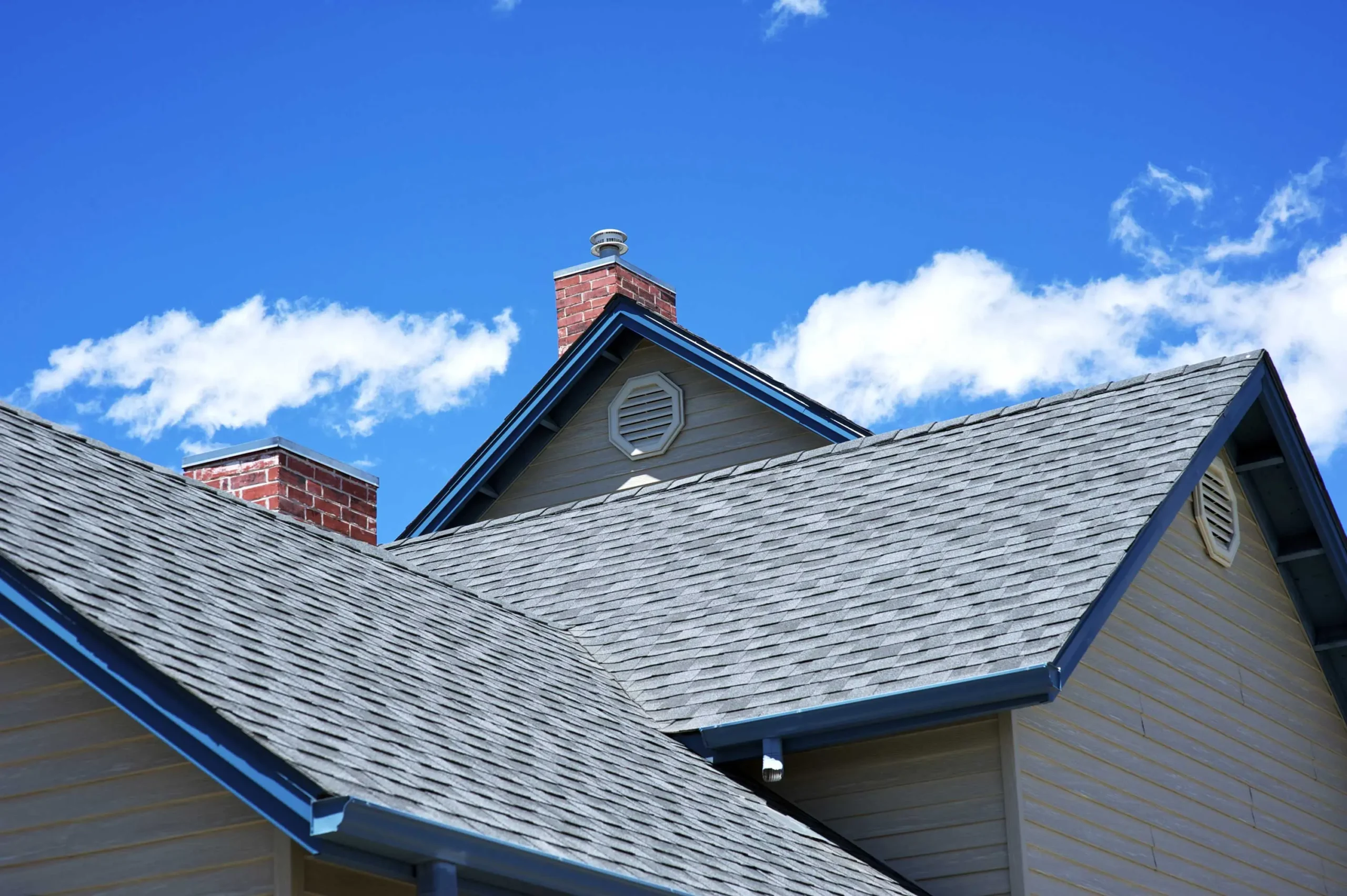
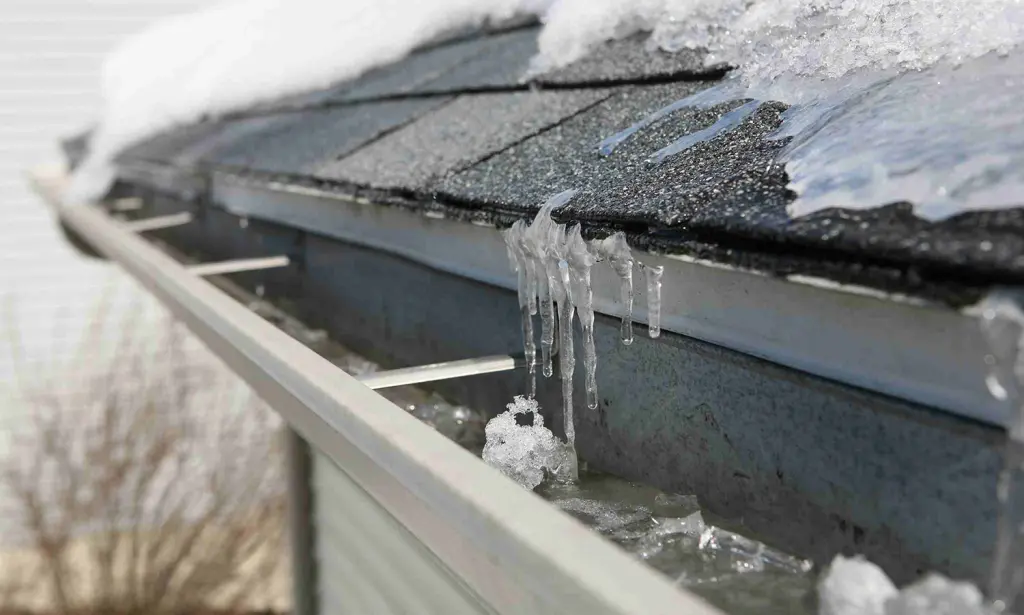
Protecting your investment from weather and water damage, quality matters immensely. Homeowners working with Austin roofing contractors ensure proper installation that prevents costly water damage and maintains structural integrity throughout the home’s lifetime. Never skimp on moisture barriers, proper flashing, and weatherproofing details, water intrusion causes more home damage than practically any other factor. Inspect work regularly as construction progresses rather than waiting for final walkthroughs. Catching issues early means corrections happen when they’re simpler and far less expensive. Quality control should be continuous, not a last-minute panic.
Maintaining Involved Oversight Throughout Construction
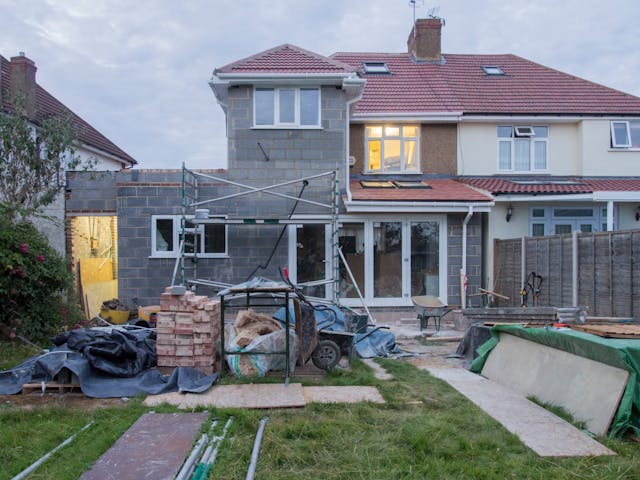
Staying actively involved protects your interests and ensures the finished product actually matches what you signed up for. Visit the site regularly, not to hover annoyingly, but to stay informed and document progress with photos and notes. These visual records create an invaluable timeline you’ll appreciate later. Attend scheduled meetings with your builder and subcontractors, asking questions about techniques, material choices, and any changes from original plans.
When change orders come up, and they will, review them carefully before signing anything. Understand exactly how modifications affect your budget, timeline, and other project aspects. Maintain open dialogue with your builder while respecting their professional expertise. There’s a delicate balance between staying informed and micromanaging every nail; aim for engaged involvement, not controlling interference.
Conclusion
Creating your perfect home demands dedication, patience, and meticulous attention to countless details that together shape the space where you’ll live, grow, and create lasting memories. Choosing the right location, building a talented team, establishing a realistic budget, designing with foresight, selecting quality materials, and staying actively engaged throughout construction dramatically improves your chances of success. Remember, perfection doesn’t mean everything proceeds flawlessly, construction challenges are inevitable, but rather how effectively you and your team navigate those obstacles together. The time, thought, and care you invest during planning and building will reward you with a home that not only fulfills your immediate needs but continues serving you beautifully for decades, making every decision and dollar spent absolutely worthwhile.