Modern machines depend on smooth movement and steady power. When hydraulic or pneumatic systems fail, the smallest surface flaw can cause leaks, wear and costly downtime. That is why the honed cylinder tube plays such an important role in heavy equipment, industrial systems and mobile machinery. It is not just a metal tube. It is a precision-engineered component designed to handle pressure, friction, and long working hours.
If you work in manufacturing, construction, agriculture, or engineering, you have likely seen how hydraulic cylinders power lifts, presses, and loaders. Inside each of those cylinders sits a tube that must be perfectly smooth and round. Without that smooth finish, seals wear out fast, oil leaks, and performance drops.
What Is a Honed Cylinder Tube and Why It Matters
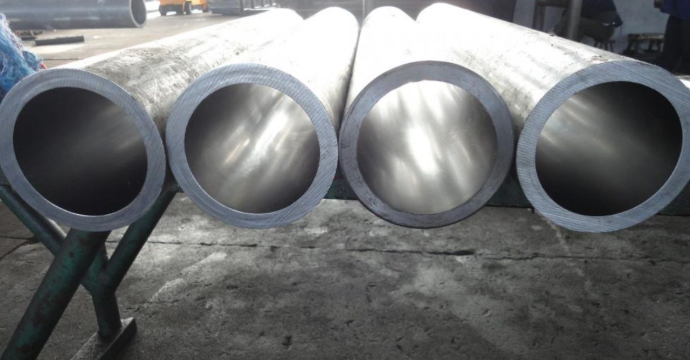
A honed cylinder tube is a seamless or cold drawn steel tube that has gone through a special finishing process called honing. Honing removes tiny imperfections inside the tube and creates a very smooth internal surface. This smooth bore allows pistons and seals to move easily without damage. The result is better sealing, longer service life, and stronger overall performance in hydraulic cylinder applications.
The internal surface finish of a honed tube is measured by roughness value, often shown as Ra. Lower Ra numbers mean smoother surfaces. In hydraulic systems, this smoothness is critical because seals slide against the inner wall under high pressure. If the surface is rough, seals wear quickly and leaks begin. A well-produced honed cylinder tube protects the entire system by reducing friction and preventing early failure.
How the Honing Process Improves Tube Performance
The honing process uses abrasive stones that rotate and move back and forth inside the tube. This action removes small amounts of material in a controlled way. It creates a cross-hatch pattern on the inside surface. That pattern holds lubrication oil and supports proper seal movement.
It also improves roundness and straightness inside the bore. Unlike simple machining, honing focuses on precision finishing rather than shaping. Manufacturers control diameter tolerance, surface roughness, and geometry very carefully.
Key Benefits of Using a Honed Cylinder Tube
- Provides a smooth internal surface for better seal life
- Reduces friction between the piston and the tube wall
- Improves hydraulic cylinder efficiency
- Ensures tight diameter tolerance and roundness
- Supports high pressure hydraulic applications
- Extends equipment lifespan and reduces maintenance costs
These benefits make honed tubes the preferred choice for hydraulic cylinder barrel manufacturing. When performance and reliability matter, precision finishing is not optional. It is essential.
Materials Used in Honed Steel Tubes
Most honed cylinder tubes are made from carbon steel or alloy steel. Common grades include materials suitable for hydraulic pressure systems, offering good strength and weldability. The choice of material depends on working pressure, load requirements and environmental conditions. Stronger alloy steels are often selected for heavy-duty or high-pressure cylinders. Seamless tubes are widely used because they offer uniform strength and no welded seam.
However, some cold-drawn welded tubes can also be honed successfully when quality standards are met. The key factor is not just the base material but how well the tube is processed, stress-relieved, and finished before honing begins. Surface protection also matters. In some applications, tubes may receive chrome plating or external coatings to resist corrosion.
Honed Tube vs. Skived and Roller Burnished Tube
When researching hydraulic cylinder tubing you may also find skived and roller burnished tubes. These tubes use a different finishing process. Skiving removes material using a cutting tool, and roller burnishing smooths the surface by pressure rather than abrasion. This process can be faster for large-diameter tubes. Both methods aim to produce a smooth internal surface.
Honed cylinder tubes are commonly chosen when surface roughness, straightness and roundness must meet strict standards. For high-performance hydraulic cylinders, precision makes a real difference in long-term reliability. The best option depends on your application, budget, and technical needs. If your system runs under heavy load and constant pressure, investing in high-quality honed steel tubing can prevent costly failures later.
Technical Specifications You Should Understand
Before purchasing a honed cylinder tube, you should understand a few important technical terms. Inside diameter tolerance defines how closely the tube matches the required size. A tighter tolerance means better fit with pistons and seals. Surface roughness often measured in micrometers indicates how smooth the bore is after honing. Straightness and concentricity also matter. If the tube is not straight, piston movement becomes uneven. That uneven movement increases seal wear and energy loss.
Reputable manufacturers test each tube for dimensional accuracy, hardness and surface quality. Wall thickness is another key factor. It determines how much internal pressure the tube can safely handle. Engineers calculate working pressure based on material strength and dimensions. Using a tube with an incorrect wall thickness can cause serious safety risks. That is why understanding specifications is critical for safe and efficient hydraulic cylinder design.
Common Applications of Honed Cylinder Tubes
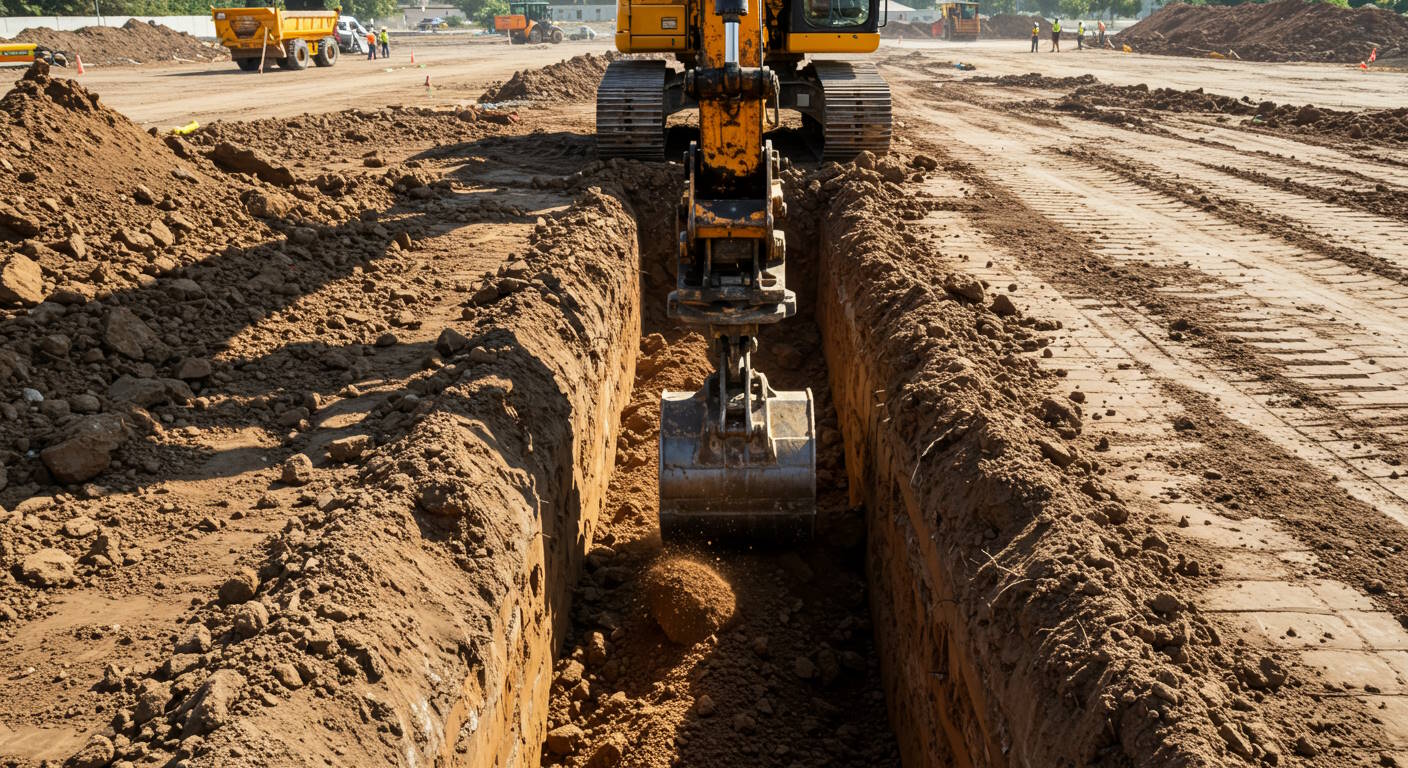
Honed cylinder tubes are used in many industries because hydraulic systems power so many machines. Construction equipment relies on hydraulic cylinders to lift, dig, and push heavy loads. Agricultural machines use them for steering, lifting arms and harvesting tools. Industrial presses depend on them for smooth, controlled force.
Manufacturing plants use hydraulic cylinders in automated systems where accuracy and repeat movement are important. Even waste management vehicles and mining machines depend on strong cylinder barrels made from honed tubes. In each case, the goal remains the same: smooth movement under high pressure with minimal maintenance.
How to Choose the Right Honed Cylinder Tube Supplier
Selecting the right supplier is as important as selecting the right material. Look for manufacturers who follow strict quality control procedures and provide inspection documentation. Experience in hydraulic cylinder applications shows that the supplier understands real-world performance demands. Ask about production methods, honing equipment and testing standards.
Reliable suppliers maintain consistent surface roughness and diameter tolerance across batches. They also offer customisation for specific sizes and pressure requirements. Clear communication and technical support should be part of the service. Price should never be the only deciding factor. A low-cost tube with poor finishing can lead to leaks, breakdowns and higher long-term costs.
Conclusion
A honed cylinder tube may look simple from the outside, but its precision determines how well hydraulic systems perform. From surface finish to material strength, every detail affects seal life, pressure handling and long term reliability. Selecting the proper tube requires an understanding of the specifications, manufacturing processes and supplier requirements.
When you invest in the very best quality of honed steel tubing, you’re not only protecting your equipment but also saving on maintenance costs and ensuring smooth operations under pressure. Precision inside the cylinder leads to performance you can trust every day.